
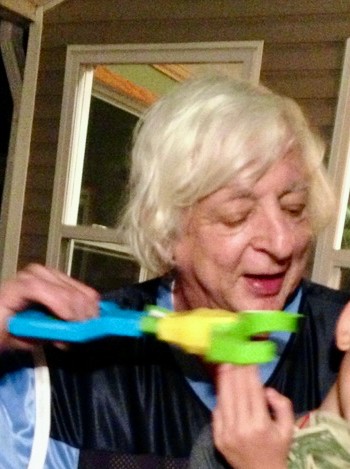


Dr. John N. Anderson, longtime Purdue University professor, scientist, teacher, musician, and unapologetic absent-minded professor, died on August 18, 2026, at the age of 79. John spent more than four decades at Purdue University, where he was a professor of biological sciences and later Professor Emeritus. His career as a scientist took an unusual path.Continue Reading
 Michael Bell
left a message on September 21, 2026:
Michael Bell
left a message on September 21, 2026:
I was a member of the P.T. Gilham's lab and worked with John while in graduate school at Purdue. John was an excellent teacher and one of a kind. My sympathies to the family.
 Heather Banes (Smith)
left a message on September 12, 2026:
Heather Banes (Smith)
left a message on September 12, 2026:
In memory of John N. Anderson, Heather Banes (Smith) lit a candle
 Jeff Anderson
left a message on September 9, 2026:
Jeff Anderson
left a message on September 9, 2026:
Celebration of Life for Dr. John N. Anderson
Saturday, September 19
2:00–5:00 PM
143 Sumac Dr.
West Lafayette, IN 47906
Please join us at Dad’s home as we gather to remember and celebrate the life of Dr. John N. Anderson.
Dad did not want a formal funeral or memorial service, so we’re keeping this exactly as he would have preferred — informal, relaxed, and at the home where he spent so many years of his life.
There will be no formal ceremony or schedule. Please come by anytime between 2:00 and 5:00 PM to visit, share stories and memories, see old friends, and celebrate Dad’s life.
Friends, family, former colleagues, students, neighbors, and anyone whose life crossed paths with Dad are welcome.
Please feel free to share this event with others who knew Dad. I know there are many people we may not be able to reach personally, and we would very much like everyone who wants to attend to feel welcome.
 David Pounds
left a message on September 2, 2026:
David Pounds
left a message on September 2, 2026:
In memory of John N. Anderson, David Pounds lit a candle
 Simon Rhodes
left a message on August 26, 2026:
Simon Rhodes
left a message on August 26, 2026:
A great scientist, a dedicated teacher, and a mentor to many. RIP John.
Peace of mind is a call away. We’re here when you need us most.
 Kerry Bloom
left a message on August 26, 2026:
Kerry Bloom
left a message on August 26, 2026:
Thank you Jeffery for these kind words. I was John’s first graduate student at Purdue. John had a major impact on my career, like Dryden did for John, John gave me the courage and confidence to become a scientist. I am forever indebted to him for this. I fondly remember dinners with John and Martha, they welcomed me into their family for my years at Purdue. John truly was a free spirit, I hear his song every day of my life.
 Pam Jacobs
left a message on August 25, 2026:
Pam Jacobs
left a message on August 25, 2026:
Our deepest condolences on the loss of your father. Although we never had a chance to meet him, He sounds like he was an extraordinary man! And he has raised an extraordinary son as well. Prayers for you and your family. Pam and Chuck Jacobs
left a message:
Please accept our deepest condolences for your family's loss.
Show More
×
Your condolence may need to be approved before it appears on this page. It may not appear immediately once submitted.
Michael Bell
left a message on September 21, 2026:
I was a member of the P.T. Gilham's lab and worked with John while in graduate school at Purdue. John was an excellent teacher and one of a kind. My sympathies to the family.
Heather Banes (Smith)
left a message on September 12, 2026:
In memory of John N. Anderson, Heather Banes (Smith) lit a candle
Jeff Anderson
left a message on September 9, 2026:
Celebration of Life for Dr. John N. Anderson
Saturday, September 19
2:00–5:00 PM
143 Sumac Dr.
West Lafayette, IN 47906
Please join us at Dad’s home as we gather to remember and celebrate the life of Dr. John N. Anderson.
Dad did not want a formal funeral or memorial service, so we’re keeping this exactly as he would have preferred — informal, relaxed, and at the home where he spent so many years of his life.
There will be no formal ceremony or schedule. Please come by anytime between 2:00 and 5:00 PM to visit, share stories and memories, see old friends, and celebrate Dad’s life.
Friends, family, former colleagues, students, neighbors, and anyone whose life crossed paths with Dad are welcome.
Please feel free to share this event with others who knew Dad. I know there are many people we may not be able to reach personally, and we would very much like everyone who wants to attend to feel welcome.
David Pounds
left a message on September 2, 2026:
In memory of John N. Anderson, David Pounds lit a candle
Simon Rhodes
left a message on August 26, 2026:
A great scientist, a dedicated teacher, and a mentor to many. RIP John.
Peace of mind is a call away. We’re here when you need us most.
Kerry Bloom
left a message on August 26, 2026:
Thank you Jeffery for these kind words. I was John’s first graduate student at Purdue. John had a major impact on my career, like Dryden did for John, John gave me the courage and confidence to become a scientist. I am forever indebted to him for this. I fondly remember dinners with John and Martha, they welcomed me into their family for my years at Purdue. John truly was a free spirit, I hear his song every day of my life.
Pam Jacobs
left a message on August 25, 2026:
Our deepest condolences on the loss of your father. Although we never had a chance to meet him, He sounds like he was an extraordinary man! And he has raised an extraordinary son as well. Prayers for you and your family. Pam and Chuck Jacobs
left a message:
Please accept our deepest condolences for your family's loss.